
Leading Duct Installation Products To Support Efficient Air Distribution
Identify top products that facilitate effective air distribution and improve overall HVAC system performance.
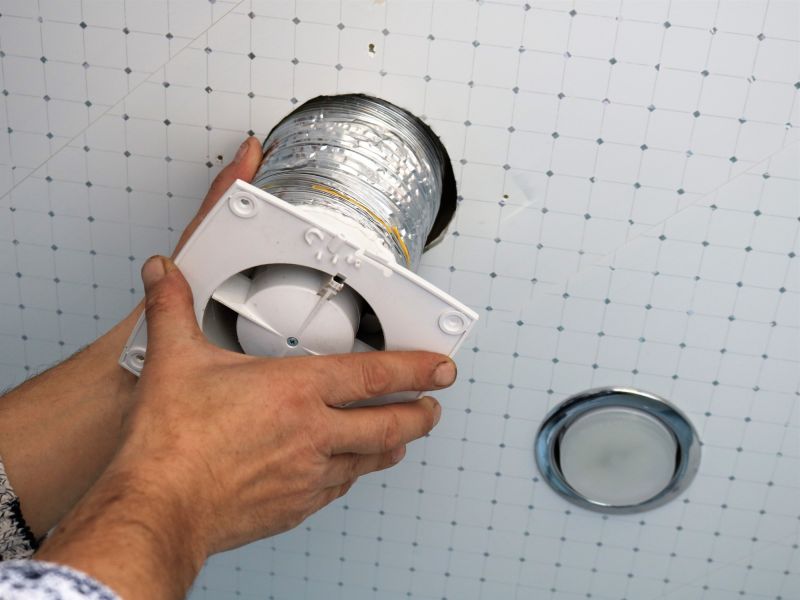 Installing ductwork effectively requires a range of products designed to ensure proper airflow, insulation, and sealing. Duct installation products are essential components that help achieve efficient heating, ventilation, and air conditioning systems in residential and commercial settings. These products include various fittings, connectors, insulation materials, and support systems, each serving a specific purpose in creating a reliable duct network. Selecting the right products can influence the overall performance and longevity of the duct system, making it important to understand the options available.
Top Overall Option
Universal Duct Fitting Kit
A versatile duct fitting kit offers a comprehensive set of connectors, elbows, reducers, and adapters suitable for various installation needs. Designed for compatibility with standard duct sizes, these kits simplify the assembly process and help ensure airtight connections. They are made from durable, lightweight materials that facilitate easy handling and long-term use. Ideal for both DIY projects and professional installations, a universal fitting kit provides flexibility and convenience in creating efficient duct systems.
Types of Products For Duct Installations
Flexible Ducts
Flexible ducts are lightweight, bendable conduits that accommodate complex routing and tight spaces, making installation easier in various environments.
Sheet Metal Ducts
Rigid sheet metal ducts provide durability and are commonly used in commercial and residential systems for their strength and longevity.
Duct Insulation
Insulation materials help reduce heat transfer and prevent condensation, supporting energy efficiency and system performance.
Duct Connectors and Couplings
These components join sections of ductwork securely and airtight, ensuring minimal air leakage.
Duct Support Systems
Support brackets, hangers, and straps keep ducts properly aligned and prevent sagging or damage over time.
Duct Sealing Tape
Specialized tapes are used to seal joints and seams, enhancing system airtightness.
Elbows and Batches
Pre-formed elbows and batches facilitate directional changes in duct runs without compromising airflow.
Vibration Isolators
These components reduce noise and vibration transmitted through duct systems.
Diffusers and Registers
Air distribution outlets that control airflow direction and volume within a space.
Air Duct Dampers
Devices that regulate airflow within duct systems, allowing zone-specific control.
Duct Liners
Sound-absorbing materials installed inside ducts to reduce noise levels.
Transition Pieces
Components that connect ducts of different sizes or shapes for seamless transitions.
End Caps and Plugs
Used to close off duct ends or unused branches securely.
Insulated Duct Wraps
Wraps that provide additional insulation to existing ductwork for improved thermal performance.
Flexible Connectors
Flexible sections that absorb movement and vibrations, reducing stress on duct connections.
Pressure Test Kits
Tools and accessories used to test duct system airtightness and identify leaks.
Popular Choices
Widely used for their ease of installation and adaptability to tight spaces.
A common choice for durable, long-lasting duct systems in various settings.
Popular for insulating large sections of ductwork efficiently.
Essential for sealing joints and preventing air leaks in duct systems.
Frequently used to navigate corners and connect duct sections seamlessly.
Commonly selected to ensure ducts remain securely in place over time.
Popular for distributing airflow evenly across rooms.
Chosen for reducing noise transmission in duct installations.
Used frequently to control airflow in specific zones or rooms.
Commonly employed to seal off unused duct branches.
Often selected for connecting different duct sizes or shapes smoothly.
Popular for retrofitting and improving thermal insulation.
Favored for reducing vibration and accommodating movement.
The process of duct installation involves careful planning and precise execution. Properly fitted ducts help minimize air leakage, reduce energy consumption, and maintain consistent airflow throughout the space. Accessories such as connectors and couplings ensure seamless joins between duct sections, while insulation materials help prevent heat loss or gain. Support brackets and hangers keep ducts securely in place, preventing sagging or damage over time. When choosing duct installation products, factors like compatibility with existing systems, ease of installation, and durability should be considered.
Professional-grade ductwork components are designed to withstand various environmental conditions and provide long-term service. The selection of appropriate materials and fittings can also influence maintenance needs and overall system efficiency. It is advisable to consult with HVAC professionals or experienced installers to determine the most suitable products for specific applications. Whether upgrading existing ductwork or installing a new system, investing in quality components can contribute to a more effective and reliable duct network.
Key Buying Considerations
- Compatibility with existing duct sizes and types to ensure seamless integration.
- Material durability to withstand environmental conditions and long-term use.
- Ease of installation, especially if undertaking DIY projects.
- Insulation properties to support energy efficiency and temperature control.
- Airtightness of fittings and joints to minimize air leaks and improve system performance.
- Support and mounting options to securely hold ducts in place.
- Noise reduction features such as vibration dampers or sound-absorbing liners.
- Flexibility and bend radius for navigating complex layouts.
- Resistance to corrosion or rust in humid or corrosive environments.
- Availability of a comprehensive range of components for system expansion or modifications.
- Compatibility with HVAC system specifications and building codes.
- Cost-effectiveness considering both initial purchase and long-term maintenance.
- Brand reputation and product reviews for reliability and quality assurance.
- Ease of sealing and securing joints to prevent leaks.
- Environmental conditions, such as temperature extremes or exposure to moisture, influencing material choice.